 |
||
|
||
|
|
||||||
|---|---|---|---|---|---|---|---|
 |
|
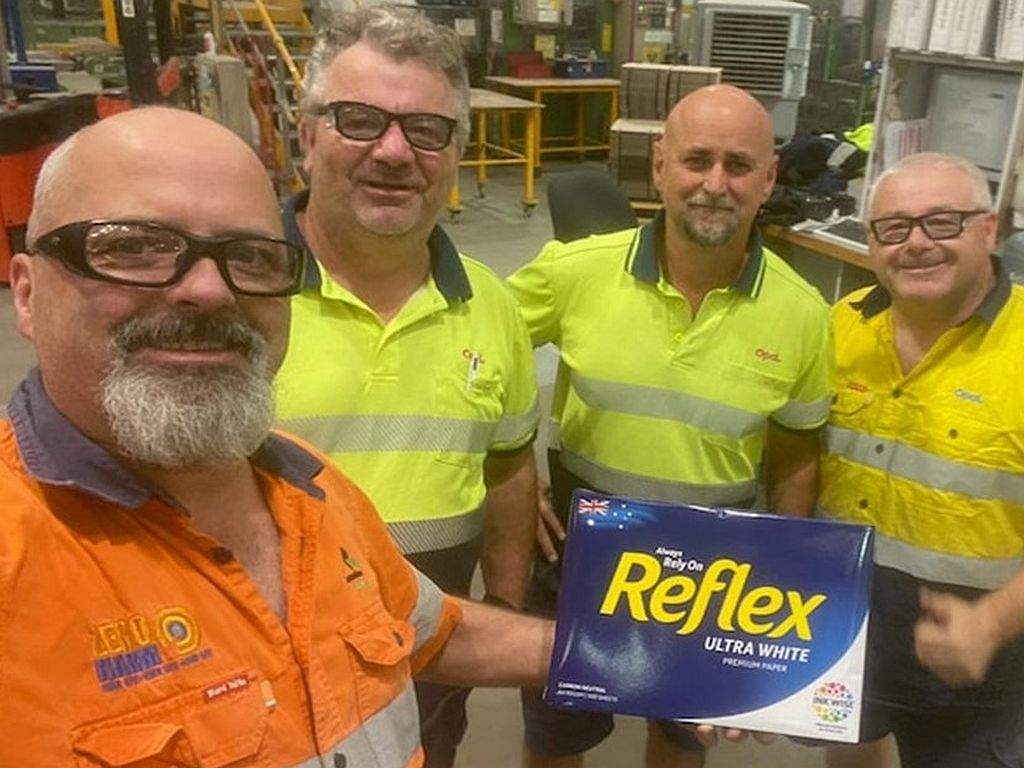
Reflex paper no longer made in Australia
|
|
In 2023 Opal, a Japanese-owned Australian paper and packaging company, closed its Maryvale Mill, the nation’s last white copy paper producer, after environmental campaigns stopped native timber logging. Reflex paper is now made in Thailand by Double A, with Olympic, Optix, and Victory sold to Hamelin Brands, and envelopes to Camerons. Australia now imports almost all copy paper, often from less transparent sources, raising concerns about global environmental impacts.
In 2022, Kinglake Friends of Forest and Environment East Gippsland exposed VicForests’ failure to protect endangered gliders, halting logging and Maryvale’s paper production. While this protects local forests, reliance on imported paper introduces new environmental challenges due to differing global sustainability standards. For a full review of the complex situation on Copy paper choices in Australia, see Manna Gum's Papering over the Cracks.
Although phased out in Victoria, native forest logging still occurs in NSW and Tasmania where it is propped up by government subsidies . A substantial portion of harvested timber is exported to Asia as woodchips for low-value paper or cardboard products.
|
 |
|
| Keep dodgy seafood out of Australia | |
|
In Australia, 65% of seafood we eat is imported. Yet Australia currently has no laws that prevent the import and sale of unethical, destructive or exploitative wild-caught or farmed seafood. There are no requirements to trace seafood back to the point of catch, which leaves Australian consumers in the dark.
Internationally, there is a growing movement to ensure that seafood imported into countries is subject to stronger rules to close markets to illegal, unreported or unregulated seafood. The Australian government has developed a framework for implementing the much needed changes. Now it’s time for these to be put into practice.
|
|
 |
| Colour your life with Winter planting |
|
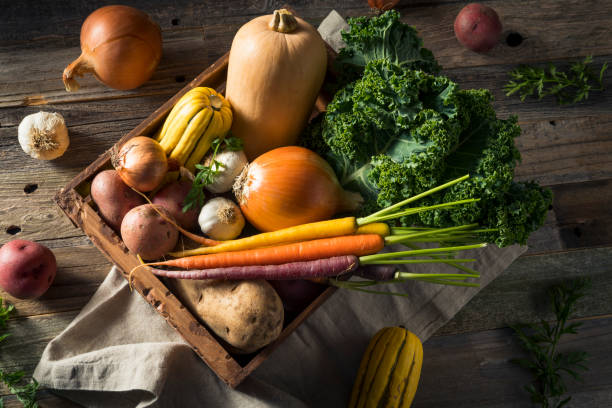
Winter might feel like the garden is winding down—but in reality, it's just shifting gears. These are perfect months to get seeds in the soil for a fresh flush of winter veggies. While the days are cooling, there's still enough warmth in the soil to kickstart new growth, especially for leafy greens, brassicas, and root veg that thrive through the chillier months. Growing your own food—whether in a backyard veggie patch, a few pots on the patio, or a local community garden—is one of the most rewarding things you can do. It’s good for your health, it reduces your environmental footprint, and it saves money. Plus, winter soups, stir-fries and roasts taste even better when they’re made with your own homegrown produce!
|
|
 |
| Subscriber news: new solar category! |
|
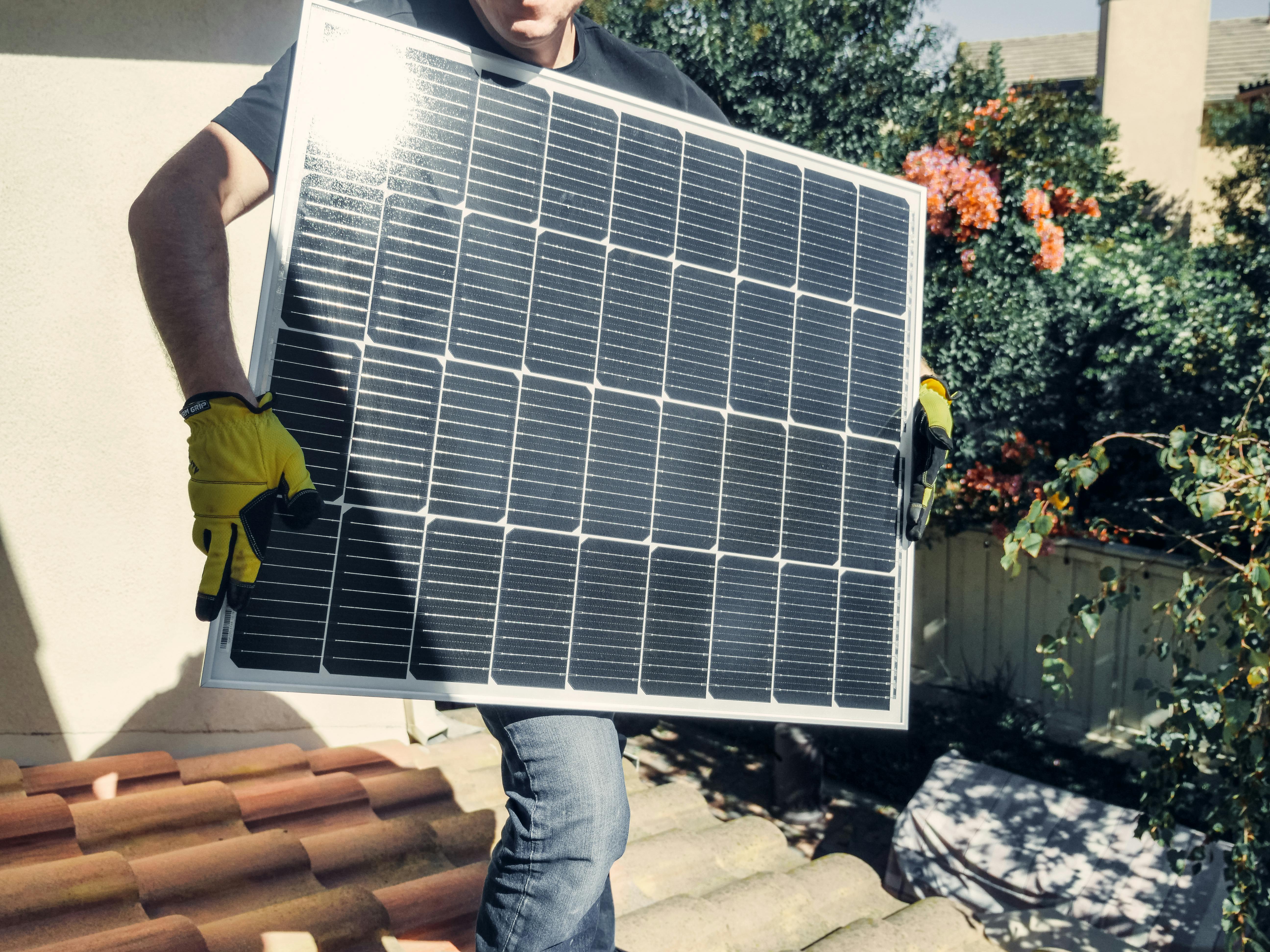
We've just released the Solar category for subscribers. Getting solar for your house is a great way to reduce your environmental impact and reliance on fossil fuels, but did you know there are some substantial supply chain concerns in the solar panel industry? Rare mineral mining and forced labour in China's Uyghur region are two of the biggest problem areas. We've pulled together assessments for 21 different solar panel brands you might be choosing from when installing solar on your home, with Shop Ethical ratings ranging from B- to F. This data is available for subscribers only for the moment as we are finalising the category, but we plan to release it publicly in a few months. In other news for subscribers - keep an eye out for a message on Patreon in the next few days with details on our browser extension, which is about to be ready for beta testing! |
 |
