No images? View in browser
Shop Ethical Logo
February Update from Shop Ethical!

In this edition: recent takeovers in the food & drink industry, 'forever chemical' bans and a review underway of animal testing in Australia.

Want to discuss these topics with other like-minded people? Join our Facebook group and start a conversation!


Dec/Jan data updates
 

Check your phone for the latest iOS and Android app update featuring all these updates!

 
February's free Assessment Search: Supports Animal Testing

Our assessment search feature lets subscribers search our full assessment database for any ethical issue you care about. We release one free assessment search each month to let everyone get a taste of this feature.


This month we highlight food and beverage companies that support and participate in animal testing according to PETA's recently updated list.


The key players powering Australia's food and drink

The past few months have brought another wave of consolidation across Australia’s food and drink sector. In December 2025, Kellogg’s was acquired by Mars, and in early 2026 New Zealand's Fonterra (with familiar brands like Allowrie, Western Star and Perfect Italiano) will finalise sale of  its global consumer business to Lactalis, the largest global dairy company, which already owns Pauls, Oak and Farmhouse Gold brands.


When giants merge, the ripple effects are hard to ignore. Less competition can mean factory closures, higher prices at the checkout, and more of our everyday food controlled by multinational conglomerates focused on maximising profit. That pressure often sidelines concerns about public health, such as the growing reliance on ultra-processed foods, and the ethical impacts of long, opaque supply chains.


Check our website to find out who owns the brands you buy each week, and our ownership chart for a visual snapshot. You might also try swapping in smaller, Australian-owned options this week - like SPC/Ardmona for canned fruit and veg, Haigh's or Pana Organic for chocolate, and Bickford's or Bundaberg for drinks.


Animal Testing - under review

As of 1 July 2020, Australia has banned animal testing on new cosmetic ingredients and finished products, as outlined in the Industrial Chemicals Act 2019 and enforced via the NHMRC. While this prevents new local testing, a "multi-use" loophole exists for ingredients used in both cosmetics and other industrial products. To avoid such products, check for reputable certifications like CCF (Choose Cruelty Free), Leaping Bunny, or PETA.


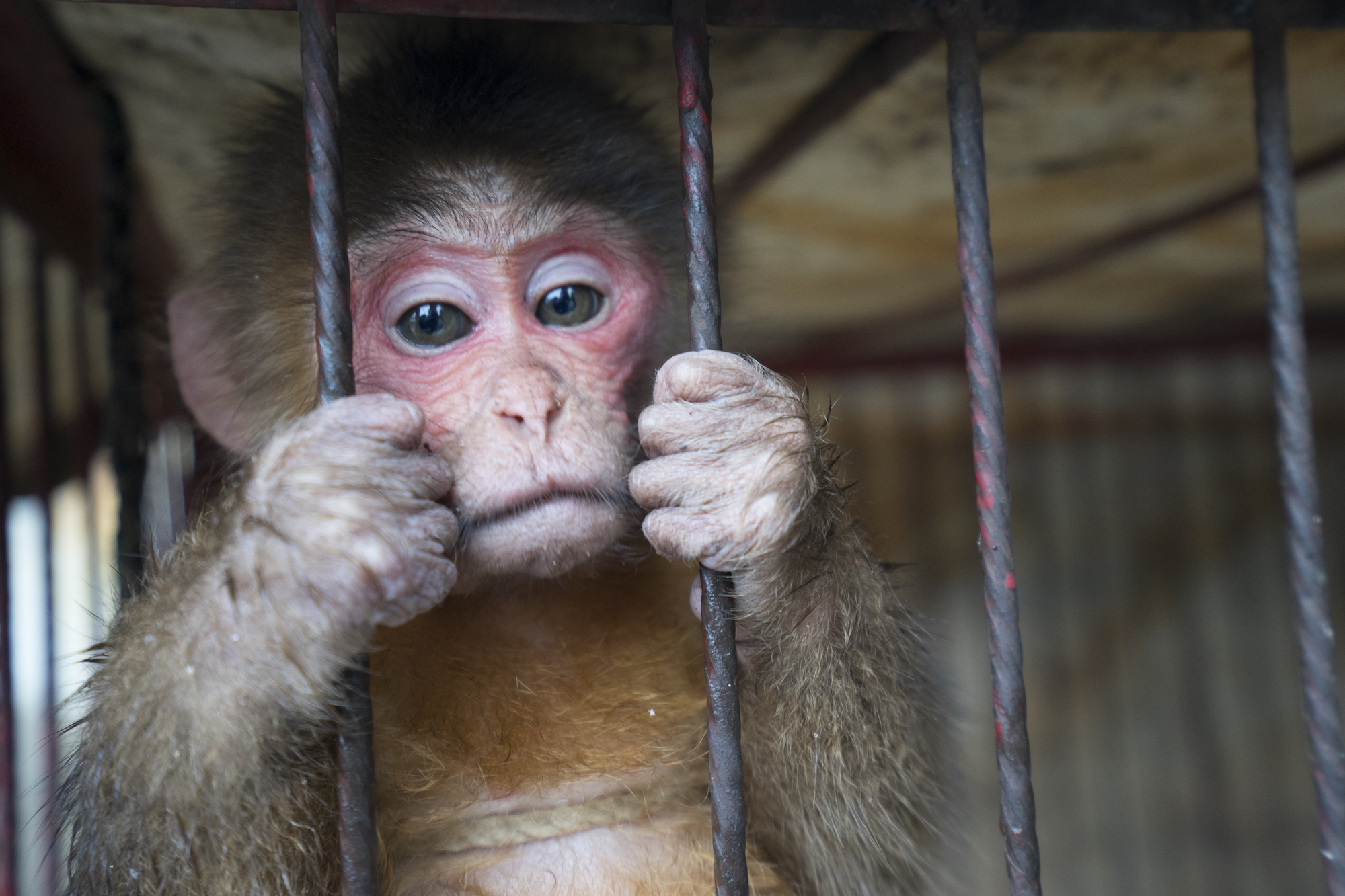
This year Australia is undertaking its first major review in over a decade of the 'Australian code for the care and use of animals in scientific research' . More than 845,000 animals – including mice, rats, guinea pigs, rabbits and primates – are used in laboratories in Australia each year. The NHMRC’s code sets national standards requiring researchers to minimise suffering and have ethics committees balance harm against benefits. Critics and advocacy groups want the review to address emerging ethical and scientific issues, including recognising animal sentience , expanding which creatures are legally defined as animals, and promoting non-animal research alternatives. This includes greater 'monitoring and enforcement' of welfare standards, noting inspections usually only occur after complaints, and an end to animal use in teaching.


Have your say - submissions on the review are open until February 16. 


Forever chemicals ban - how to avoid them

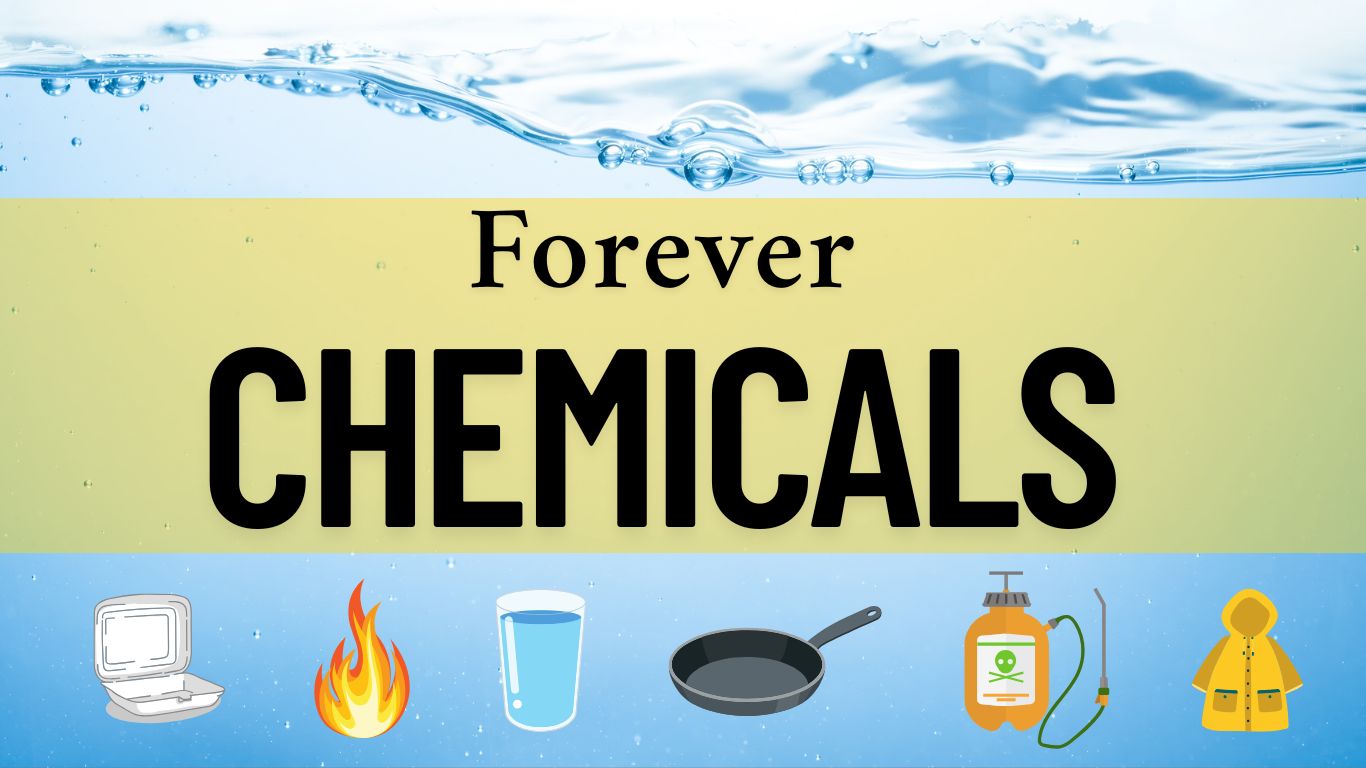
In January, France joined Australia in moving to restrict per- and polyfluoroalkyl substances (PFAS), a large group of chemicals often called “forever chemicals” because they don’t naturally break down. France’s ban applies to products where a PFAS-free alternative exists, though non-stick cookware received a notable exemption. Australia’s ban, which came into effect on 1 July 2025, is narrower, covering just three specific PFAS compounds.


PFAS have become infamous for their persistence and ubiquity. They’ve been detected everywhere from the summit of Mt Everest, to household items like toilet paper, and even in human blood. Once released, these chemicals can leech into waterways, accumulate in ecosystems, and travel up the food chain. While PFAS exposure has been linked to a range of possible health effects, scientists continue to debate the strength of these links and the levels at which harm may occur.


If you want to reduce your personal exposure, some research has shown that eating a high fibre diet may reduce the amount of PFAS in your bloodstream. Find out more ways to avoid these at PFAS Free Australia and Go for Zero.

Quick bites


Ethical Consumer Group
PO Box 1323, Fitzroy North VIC 3068
Unsubscribe