No images? View in browser
Shop Ethical Logo
May Update from Shop Ethical!

In this edition we look at a win for our oceans, the patterns that affect why we buy, helping to stop deforestation, and steps to move beyond forced labour in our supply chains.

Want to discuss these topics with other like-minded people? Join our Facebook group and start a conversation!


April's data updates
 

Check your phone for the latest iOS and Android app update featuring all these updates!

 
May's free Assessment Search: Forest 500

Our assessment search feature lets subscribers search our full assessment database for any ethical issue you care about. We release one free assessment search each month to let everyone get a taste of this feature.


This month we highlight the Forest 500 ratings, which assess companies on their exposure to deforestation risk. Companies are assessed on each resource that they use (e.g. Palm oil, soy, cocoa, paper) and rated on their transparency and efforts to prevent deforestation and promote conservation. See our quick bites below for a way you can also help combat deforestation from home!


Australia ratifies the Global Oceans Treaty

It’s time to celebrate a massive win for our blue planet! On 23 March 2026, Australia passed the High Seas Biodiversity Bill, enshrining the historic Global Ocean Treaty into law. This is a game-changer for conservation, marking the most significant step toward ocean protection in a generation.


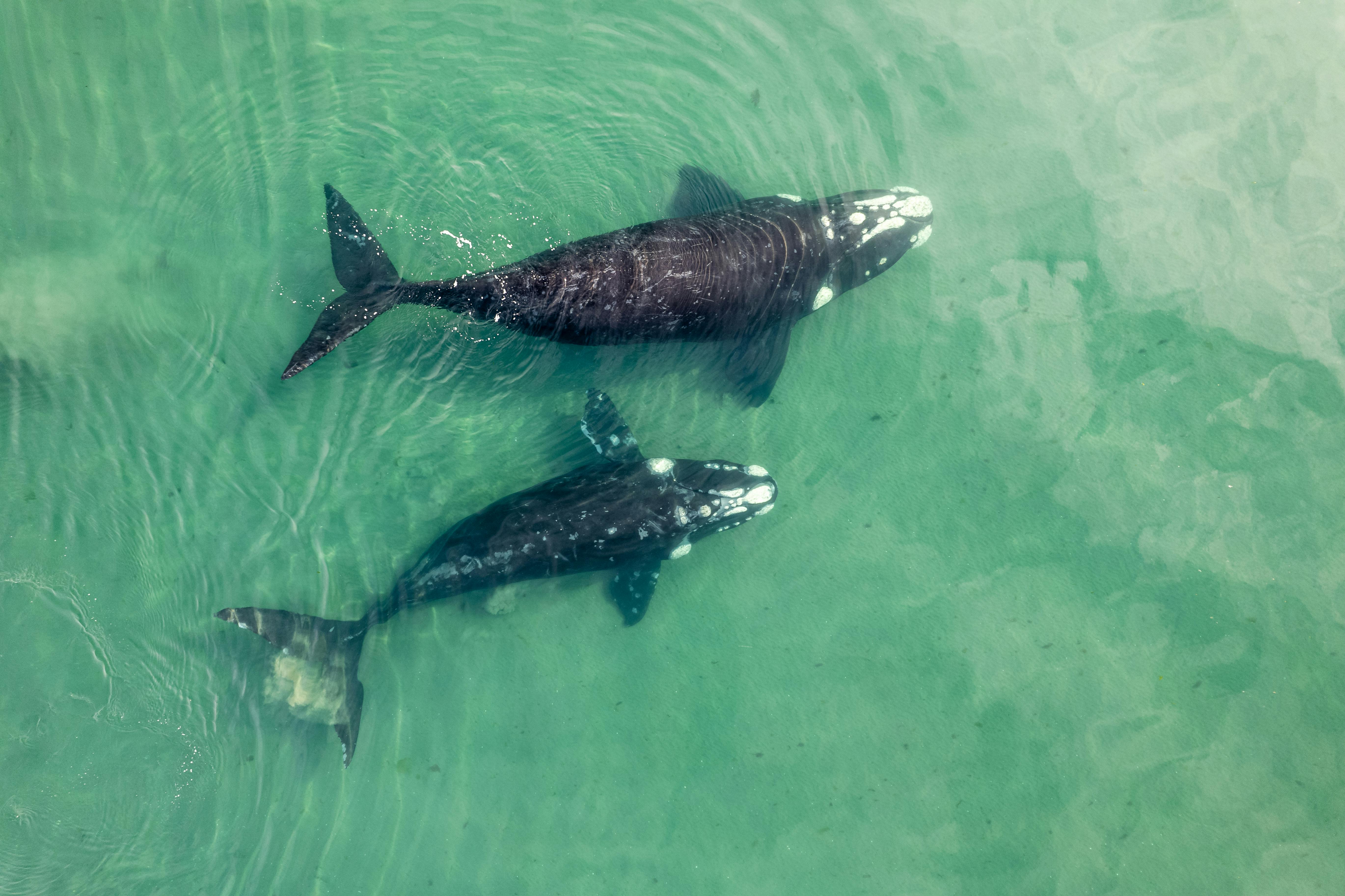
With one of the largest marine territories on Earth, Australia’s ratification of this treaty has helped in developing real consequences for polluters and overfishers who previously operated without accountability. Before this, 99% of the high seas - the home to majestic whales and ancient corals - were left unprotected. Now 64% of the world’s oceans fall under this framework, which outlines a future of thriving ocean sanctuaries and protected migratory paths. This is a powerful promise to protect our seas for generations to come. Let's continue to work to see it is more than just words.


You can take actions for the oceans by being selective about your seafood choices. See Shop Ethical! Tuna ; and Goodfish: Australia's Sustainable Seafood Guide.


Why we buy - The Consumption Pyramid

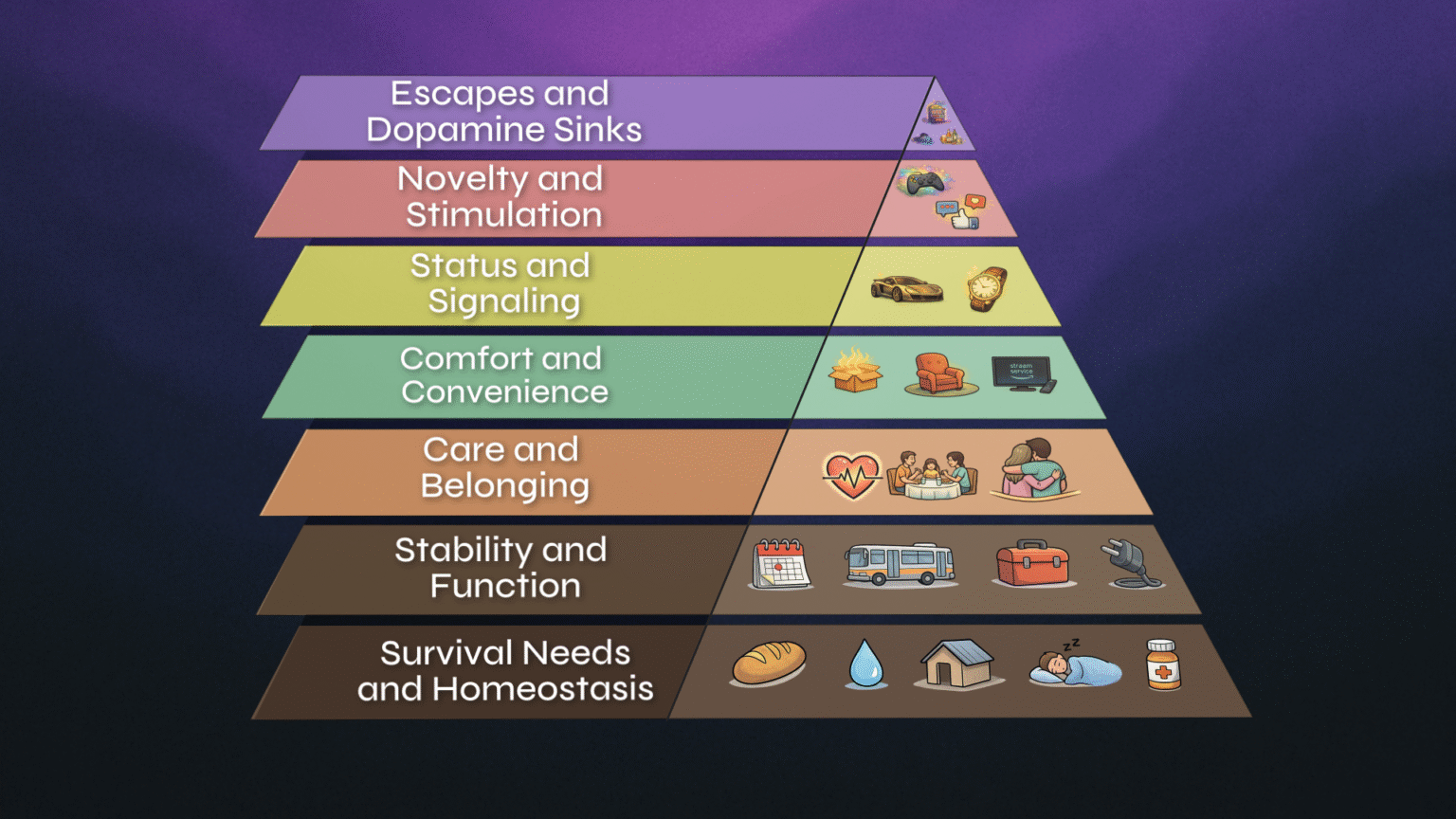
Consumption is something much deeper and more nuanced than shopping or spending. There are ways that it shows up across our whole lives –from basic needs and stability to status and mental escape. In a recent podcast episode of The Great Simplification , Nat unpacks humans’ current identification with the label “consumer.” He outlines a “consumption pyramid” framework that acts as a map for the different layers of consumption present in daily life, emphasising that they vary in dependency, reliability, and necessity.
 
Where in your life do you feel most dependent on things always being fast, easy, and available? What kinds of consumption actually make you feel better afterward, not just distracted in the moment? Finally, if you stopped thinking of yourself primarily as a consumer, which other roles – maker, neighbor, caretaker, citizen – do you think would come most clearly into focus?
 

Clean up supply-chains - a look at forced labor

A new Choice report reveals that over 21% of Australian imports are likely linked to forced labor, highlighting a critical need for supply chain transparency. Currently, Australia’s anti-slavery framework is under review, as existing reporting requirements have often become "tick-the-box" exercises without penalties for non-compliance. With multinational giants like Kmart managing hundreds of suppliers, identifying exploitation remains a massive challenge.


To combat this, Fair Futures is urging the federal government to implement an outright ban on goods produced with forced labor and to mandate due diligence laws for businesses. High-risk sectors - including fashion, electronics, seafood, and agriculture - are under particular scrutiny.


Consumers play a vital role in this movement! You can make a difference by choosing brands with ethical certifications (like Fair Trade or GOTS) and avoiding suspiciously cheap goods. By using resources like the Australian Modern Slavery Statements Register and the Sedex platform, you can support companies committed to clean supply chains. It’s time to move beyond paperwork and demand real accountability to ensure a fairer future for workers worldwide.

 
Quick bites
  • Want to help detect deforestation from your couch? Become a citizen scientist by reviewing and tagging satellite imagery with ACF Investigates.
  • How firmly do you hold onto your ethics in the grocery aisle? Listen to the ABC interview: “Buyer Beware: When ethical consumption comes with a price tag”.
  • Discover better fruit and veg options - delivery boxes from Farmers Pick; find a fruit & veg shop near you at A better choice! (and get rewarded with cash vouchers); swap produce, flowers, baked goods and more with neighbours on HeartCrops!
  • Read about the surprisingly big impact of BPA in receipts on both your health and the environment.
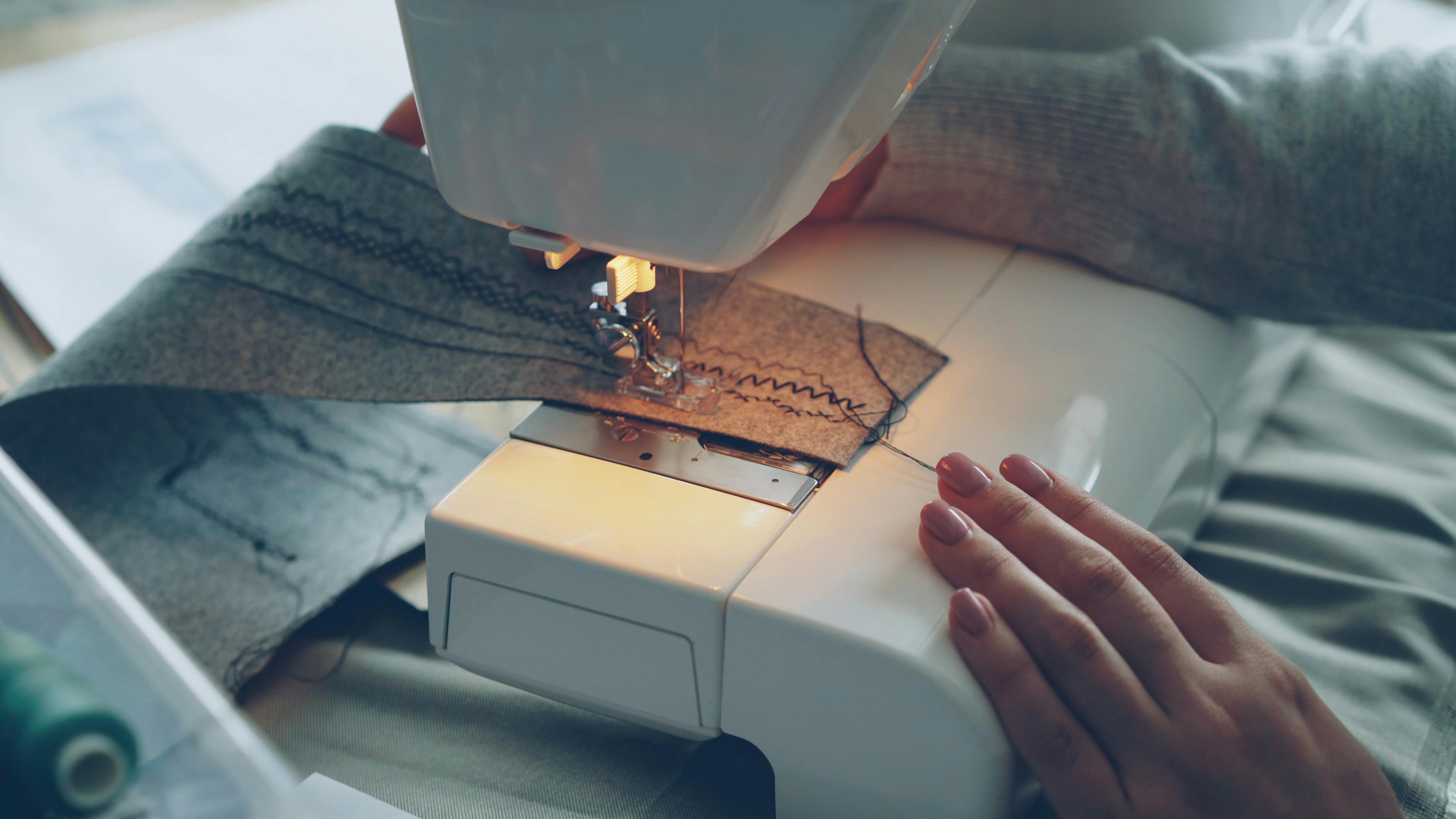
  • Check out Ethical Clothing Australia's mothers day gift guide which has some great recommendations and discounts for ethical gifts.


What's next

We've recently released a new 'Featured pages' section on our front page and sidebar, which is part of a bigger site redesign that we're working on! Over the next two months we'll have a pause on design updates as one of our team members is away, but you'll keep seeing data updates coming through as usual.


Do you want to help out in our work? We always welcome volunteers with data entry, writing, social media or technical skills. If you'd like to volunteer, just reply to this email or use our contact form!


Ethical Consumer Group
PO Box 1323, Fitzroy North VIC 3068
Unsubscribe