 |
||
|
||
|
|
||||||
|---|---|---|---|---|---|---|---|
 |
| Salmon scandals weaken environmental laws |
|
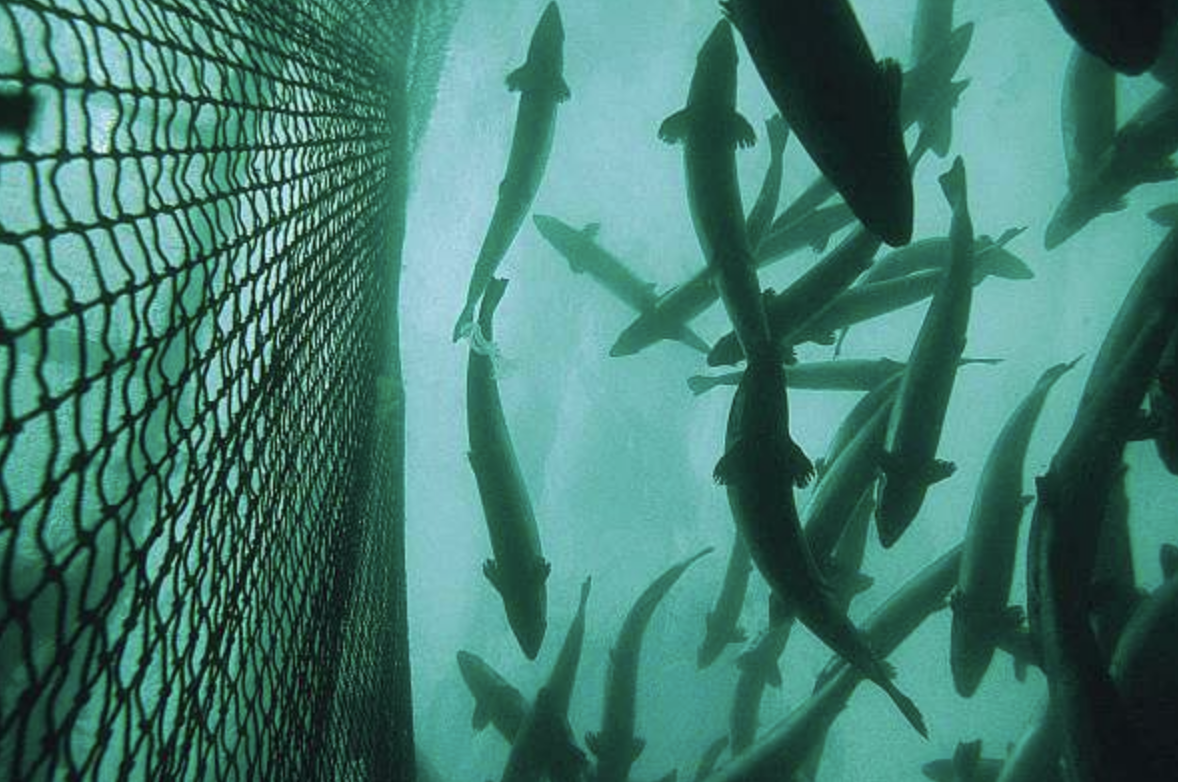
Tasmania's salmon industry, made up of three foreign-owned companies — Tassal, Huon and Petuna — was last year faced with a 'reconsideration request' called for by environmental groups over new research on its impact on the endangered Maugean skate, a ray-like fish found only in Macquarie Harbour. Rather than considering this new information, the government has changed the law to tighten protections on existing industry projects, so that the reconsideration request need not be heard. These controversial changes to the Environmental Protection and Biodiversity Conservation Act will limit the rights of the public and environmental groups to call for reconsideration of industry projects (including coal mines and gas fields) when substantial new information comes to light. > Send an email regarding the alarming wide-scale rollbacks of environmental protections in federal law > find out more about the implications of these changes |
 |
|
| Grow your own food in the inner-city | |
|
This 12 minute film highlights an amazing inner-city permaculture property. Kat Lavers has transformed her tiny backyard to grow up to 450kgs on fruit and veggies each year, in only 100m2 of space! Be inspired to start your own veggie patch, even if you don't have much space. Right now in most parts of Australia, you can plant leafy greens, beans, peas, broccoli and more. > Try out this Planting guide to plan out what you can do with your space. > Have a look at this vegetable planting calendar to dream about what you might do in the year ahead. > Purchase seeds and equipment from The Seed Collection |
|
 |
|
ESG Overview and Shop Ethical's Approach
|
|
Environmental, Social, and Governance (ESG) criteria evaluate companies on environmental impact (e.g., emissions, resource use), social responsibility (e.g., labor practices, diversity), and governance (e.g., transparency, anti-corruption). While ESG metrics may help investors align profits with sustainability, today these metrics are designed primarily to help investors protect their financial returns, rather than as a real measure of ethical progress. ESG ratings have faced criticism for inconsistent standards, greenwashing, and overcomplexity. For example, Coca-Cola’s “water neutral” claim, earning the company a high ESG rating from MSCI, ignored over 90% of water in its supply chain, highlighting the flaws in this self-reported and unregulated measure of ethics. Despite these limitations, we do include some ESG scores in our dataset, as they offer a comparative measure of ethical performance, cover many companies, and low ratings can be a helpful flag for concern (even if a high rating doesn't always mean much good on its own). We choose only the top rated metrics, such as those recommended by Rate the Raters, and we apply caps to ensure ESG scores don’t have an oversized influence on a company’s overall rating. |
 |
| Source Spotlight: Sustainalytics ESG Risk Ratings |
|
Shop Ethical has recently added Sustainalytics's ESG Risk Ratings to its ratings mix. Sustainalytics evaluates how much risk a company faces in its industry and how well it manages those risks. Their process involves collecting data on material ESG issues from corporate reports, public records, and stakeholder inputs, then scoring companies from 0 (negligible risk) to 40+ (severe risk). Lower scores indicate stronger ESG performance. Sustainalytics adjusts scores for industry context and company size, ensuring fair comparisons. Check it out by using this month's free assessment search. In adding this new ESG source, we have made the decision to replace our previous major ESG source, S&P Global. Sustainalytics is a more highly rated and comprehensive option, and covers most of the same companies. This has resulted in ratings changes for many companies, but we believe the new data is more accurate ethical assessment. See all here. |
|
|
||||||